Elevate Hua Hin Homes with Strategic Landscape Design
Integrating Strategic Landscape Architecture to Elevate Residential Development in Hua Hin
Residential projects in Hua Hin today increasingly benefit from innovative approaches that combine aesthetics, sustainability, and functionality. One of the pivotal elements driving this advancement is strategic landscape architecture, intimately tied with home architecture design hua hin. The thoughtful integration of outdoor environments not only enhances the visual appeal but also significantly improves residents’ quality of life through optimized space utilization and environmental considerations.
The Role of Landscape Architecture in Residential Design
Landscape architecture influences residential development by creating cohesive outdoor spaces that complement the architectural style of homes. In Hua Hin, where tropical climate and coastal influences are significant, this field must address challenges such as heat mitigation, stormwater management, and native vegetation preservation. Incorporating well-planned landscape elements helps to harmonize the natural environment with modern living spaces.
In essence, landscape architecture provides multifaceted benefits that extend beyond mere beautification:
- Environmental Impact Reduction: Designing rain gardens and permeable pavements reduces runoff and soil erosion, fostering sustainable water management.
- Microclimate Control: Utilizing tree canopies and water features to lower ambient temperatures around residential areas, enhancing comfort.
- Spatial Connectivity: Creating pathways and communal green areas strengthens community interaction and accessibility.
Such considerations are critical when aligning home architecture design hua hin with the natural conditions unique to this region.
Key Principles for Enhancing Hua Hin Residential Projects Through Landscape
Successful landscape architecture in Hua Hin residential development strictly follows principles that optimize both function and aesthetics:
- Site-Specific Planning: Understanding the local geography and climate to select appropriate plant species and materials that require minimal maintenance.
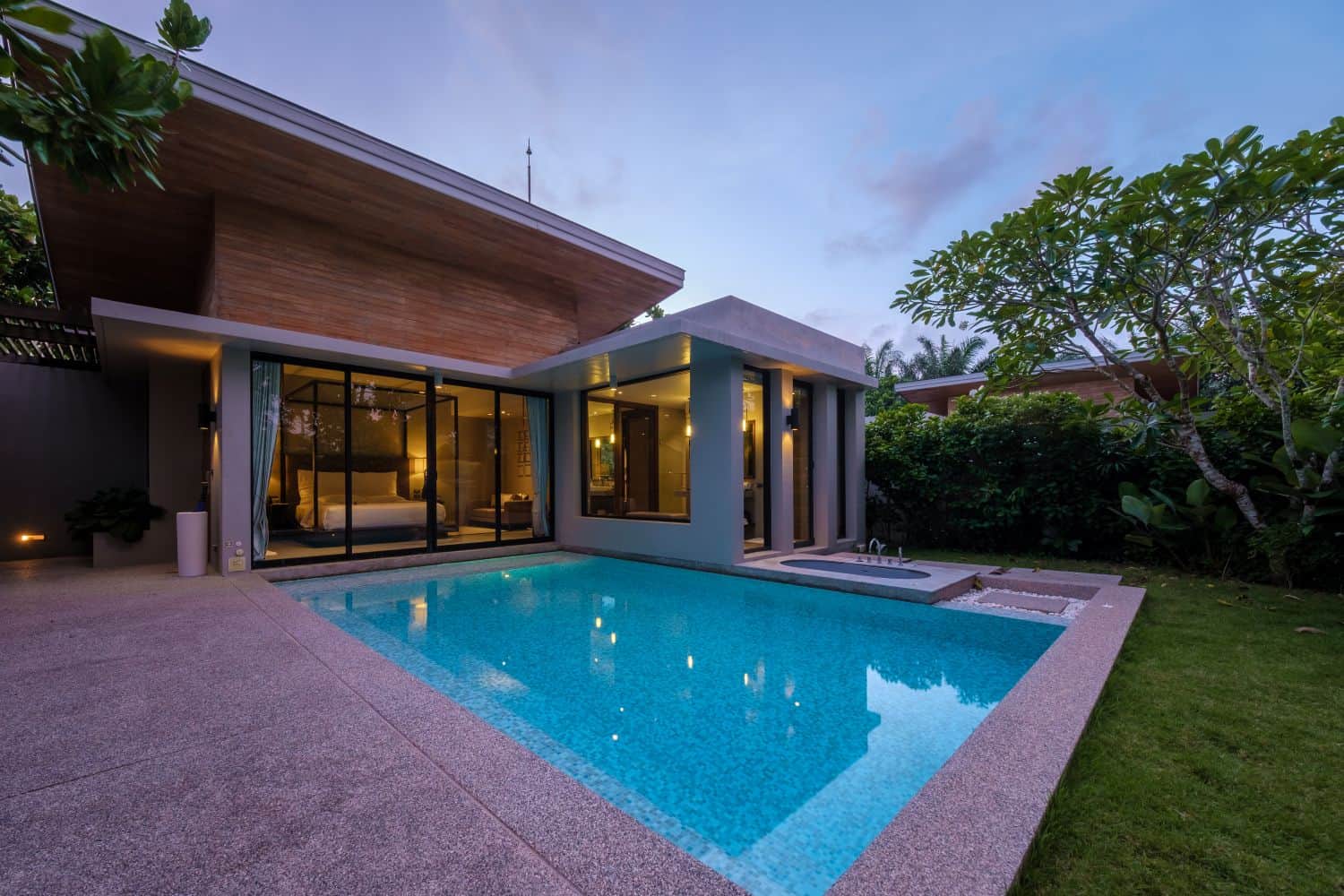
- Integration with Architecture: Ensuring the outdoor design complements the architecture style, improving visual continuity and user experience.
- Water Efficiency: Implementing drought-tolerant landscaping and rainwater harvesting systems to conserve resources.
- Biodiversity Enhancement: Promoting native flora to support local wildlife and preserve ecological balance.
Applying these principles to home architecture design hua hin projects encourages environments that balance residential comfort and environmental stewardship.
Technical Considerations in Landscape Architecture for Hua Hin Residences
Beyond design aesthetics, technical aspects are fundamental to the effectiveness of landscape architecture in this tropical coastal city. Attention to soil type, drainage patterns, and exposure to sun and wind informs crucial decisions about plant selection and landform shaping.
For example, soil in Hua Hin tends to be sandy and well-draining but can lack nutrients. Landscape architects must incorporate soil amendments or select hardy plants adapted to these conditions. Drainage systems must accommodate seasonal heavy rains without causing flooding or waterlogging within residential plots.
Moreover, the strategic positioning of vegetation contributes to reducing energy consumption. Trees and shrubs placed to shade windows and walls minimize heat gain, reducing cooling demand inside homes. This integration aligns seamlessly with home architecture design hua hin, emphasizing energy efficiency in residential development.
Enhancing Social and Economic Value Through Landscape Architecture
Strategic landscape architecture also plays an important role in increasing the social and economic value of residential developments in Hua Hin. Well-designed green spaces and outdoor amenities foster a sense of community and encourage outdoor activities, which contributes to residents’ well-being and engagement.
From an economic perspective, attractive landscape design is a significant factor in property valuation. Developers who incorporate quality landscaping typically see increased marketability and long-term value retention. Such investment is particularly relevant in Hua Hin’s competitive residential market, where lifestyle quality is a major differentiator.
- Community Cohesion: Shared gardens and recreation areas facilitate social interaction.
- Health Benefits: Access to green spaces has documented positive effects on mental and physical health.
- Market Appeal: Thoughtful landscapes enhance curb appeal and attract discerning buyers.
Therefore, landscape architecture goes beyond environmental function to influence lifestyle and economic sustainability within Hua Hin’s residential developments.
Future Trends Impacting Hua Hin Landscape and Home Architecture Design
Looking ahead, technological advances and evolving environmental standards are shaping how landscape architecture integrates with home architecture design hua hin. Smart irrigation systems equipped with sensors optimize water use, while green roofs and vertical gardens are gaining traction as space-saving solutions responsive to urban density.
Furthermore, resilience against climate variability remains a priority, provoking the adoption of adaptive plantings and multifunctional outdoor spaces that can serve for recreation and flood mitigation simultaneously. These trends promise to elevate the overall quality and sustainability of residential living environments in Hua Hin.
Notable Trends Include:
- Smart Water Management: Automated irrigation based on moisture data to reduce waste.
- Green Infrastructure: Use of vegetation to manage stormwater and improve air quality.
- Multifunctional Spaces: Designing landscapes that support leisure, biodiversity, and climate adaptation.
Incorporating such innovations solidifies the relationship between landscape architecture and thoughtful residential design in Hua Hin, ensuring developments remain forward-looking and resilient.
Broader Implications for Sustainable Residential Growth
Strategic landscape architecture is integral to sustainable residential development, addressing social, environmental, and economic dimensions comprehensively. By merging technical knowledge with contextual awareness, projects achieve harmony between built and natural environments. This holistic approach aligns directly with the goals of home architecture design hua hin, fostering communities that are not only appealing but also sustainable in the long term.
Developers and planners in Hua Hin stand to benefit from prioritizing green infrastructure and site-sensitive design, helping to maintain the region’s natural beauty while accommodating increasing demand for modern housing.
Finally, the synergy between landscape and architecture contributes significantly toward healthier, more appealing, and future-resilient residential areas. This comprehensive approach provides a model that other emerging urban centers might well consider adapting.
For a deeper understanding of integrating these concepts effectively, reviewing exemplary cases of home architecture design hua hin offers practical insights into successful landscape and architectural collaboration.